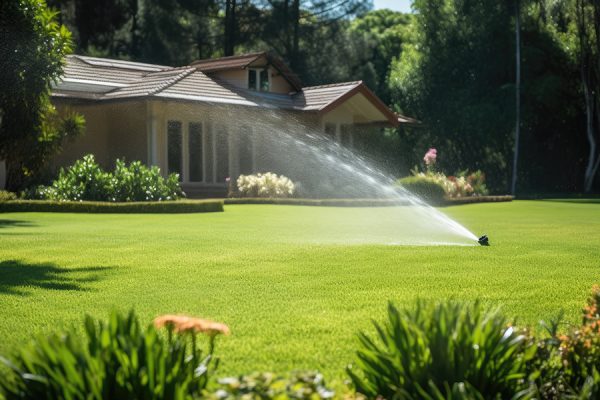
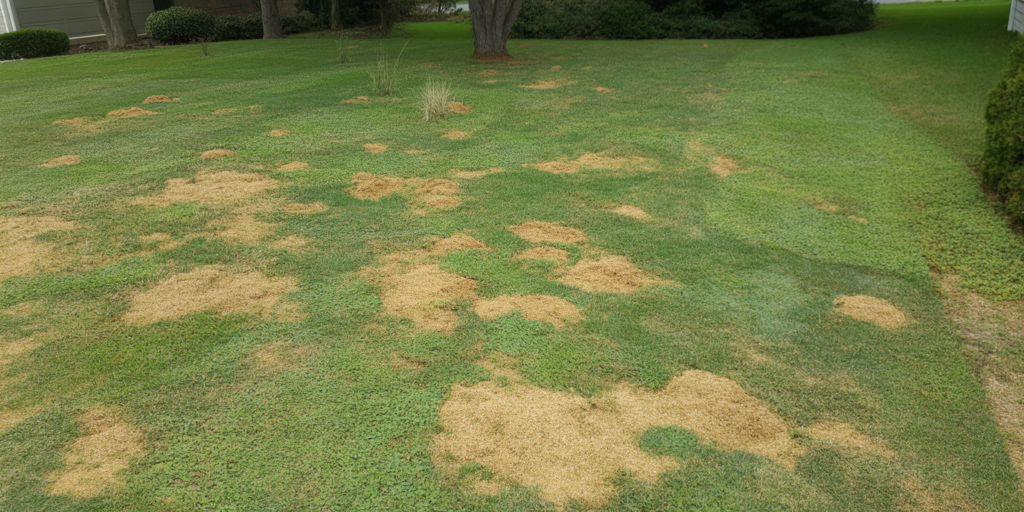
Living near Lake Norman offers beautiful scenery, but maintaining a pristine yard in the North Carolina Piedmont presents unique challenges. You invest time and money into your yard, only to find frustrating brown spots, thinning patches, and bare dirt ruining the curb appeal.
Dealing with patchy grass is incredibly common in our region. The local climate throws a mix of sweltering, humid summers and unpredictable winter chills at your yard. Combined with the dense soil native to the area, your grass must work overtime just to survive.
This guide breaks down exactly why your grass is struggling. We will explore the specific environmental factors affecting Mooresville yards and outline practical, expert-backed steps to bring your grass back to life. You will walk away with a clear understanding of local soil dynamics, common pests, and a step-by-step restoration plan to achieve a thick, resilient lawn.
Uncovering the Root Causes of Patchy Grass
To fix bare spots, we first need to diagnose the underlying issue. Treating a fungal infection with fertilizer will only make the problem worse. Here are the most common culprits destroying lawns in Mooresville.
Compacted Piedmont Clay Soil
Mooresville sits squarely in the Piedmont region, meaning our soil is heavily composed of red clay. Clay particles are microscopic and pack tightly together. Over time, heavy rainfall, foot traffic, and lawnmowers compress this soil until it becomes as hard as concrete.
When soil compacts, grass roots simply cannot breathe. The dense earth chokes off oxygen and prevents water from penetrating deeply into the root zone. Instead of soaking in, rainwater runs off the surface, leaving the roots desperately dry. Grass in these highly compacted areas eventually dies off, leaving hard, bare patches that weeds quickly colonize.
Humid Weather Fungal Diseases
North Carolina summers are famously hot and humid. While great for days on the lake, this weather creates a perfect breeding ground for fungal lawn diseases. If you grow Tall Fescue—the most popular grass type in Mooresville—your lawn is highly susceptible to Brown Patch disease.
Brown Patch strikes when nighttime temperatures stay above 68 degrees and humidity levels soar. You will notice circular patches of brown, dying grass that seem to appear overnight. The edges of these patches often have a dark, water-soaked ring. Dollar Spot is another common fungus that creates smaller, silver-dollar-sized dead spots across the yard. Left untreated, these fungal infections will decimate large sections of your yard.
Destructive Local Pests
Insects view your healthy yard as an all-you-can-eat buffet. Two primary offenders cause severe patchy lawn problems in our area: white grubs and fall armyworms.
White grubs are the larvae of Japanese beetles. They live below the soil surface and aggressively feed on grass roots. If you have a grub infestation, your grass will turn brown and detach entirely from the soil. You can literally roll the turf back like a piece of carpet.
Fall armyworms arrive later in the season. These caterpillars march across lawns, chewing grass blades down to the soil line. An armyworm invasion moves incredibly fast, turning a lush green space into a barren wasteland in just a few days.
Improper Watering Habits
How you water your lawn dramatically impacts its resilience. Many homeowners set their irrigation systems to run for 10 minutes every single day. This shallow, frequent watering schedule encourages grass roots to stay near the surface of the soil.
When the blistering August heat hits Mooresville, the top layer of soil dries out rapidly. Shallow roots cannot access moisture deeper underground, causing the grass to scorch and die in patches. Additionally, watering in the late evening traps moisture on the grass blades overnight, inviting the exact fungal diseases mentioned earlier.
Step-by-Step Guide to Restoring Your Lawn
Once you identify the cause of your patchy grass, you can take deliberate action. Follow these expert steps to rehabilitate your yard and fill in those unsightly bare spots.
Step 1: Conduct a Comprehensive Soil Test
Before spreading any seed or fertilizer, you need to know exactly what is happening beneath the surface. North Carolina clay is notoriously acidic. If your soil pH drops too low, your grass cannot absorb nutrients, regardless of how much fertilizer you apply.
Collect small soil samples from around your yard, especially near the patchy areas. Send the samples to the North Carolina Cooperative Extension for a detailed analysis. The results will tell you exactly how much lime you need to apply to neutralize the acidity and create an optimal growing environment.
Step 2: Perform Core Aeration
Aeration is non-negotiable for Mooresville lawns. To combat clay compaction, you must physically remove plugs of soil from the ground. Core aeration machines punch holes two to three inches deep, pulling up small soil cylinders and depositing them on the surface.
This process relieves soil tension immediately. It opens up channels for oxygen, water, and nutrients to travel directly to the root zone. If you have a cool-season grass like Tall Fescue, plan to aerate in the early fall. For warm-season grasses like Bermuda or Zoysia, aerate in the late spring or early summer when the grass is actively growing.
Step 3: Overseed and Topdress
After aerating, the ground is perfectly prepped for new seed. The holes left by the aerator provide excellent seed-to-soil contact, which is vital for germination.
Select a high-quality grass seed that matches your existing lawn. Spread the seed evenly across the entire yard, applying a slightly heavier concentration over the bare patches. Following the seed, apply a thin layer of compost—a process known as topdressing. The compost adds crucial organic matter to the clay, improving soil structure and protecting the new seeds from hungry birds.
Step 4: Apply the Right Nutrients
New grass needs fuel to establish strong roots. Apply a starter fertilizer immediately after overseeding. Starter fertilizers contain higher levels of phosphorus, which promotes rapid root development.
Moving forward, build a seasonal fertilization schedule based on your soil test results. Avoid dumping heavy nitrogen fertilizers on Tall Fescue during the peak of summer, as this stresses the plant and encourages fungal outbreaks. Instead, feed cool-season grasses heavily in the fall and lightly in the spring.
Long-Term Maintenance to Prevent Future Patches
Restoring your grass takes hard work, so you want to protect that investment. Adjusting your basic lawn care habits will prevent bare spots from returning next season.
Adjust Your Mower Height
Mowing too short is a guaranteed way to damage your yard. When you scalp the grass, you remove the surface area the plant needs for photosynthesis. It also allows sunlight to bake the soil, drying it out and encouraging weed seeds to sprout.
Keep your mower deck raised. If you grow Tall Fescue, aim for a height of 3.5 to 4 inches during the summer. Taller grass shades the soil, retains moisture, and naturally crowds out invasive weeds. Never cut off more than one-third of the grass blade in a single mowing session.
Water Deeply and Infrequently
Train your grass to survive drought conditions by changing how you water. Instead of daily shallow sprinkles, water your lawn deeply once or twice a week.
Aim to provide your lawn with about 1 to 1.5 inches of water per week, including rainfall. Place a few empty tuna cans around the yard while the sprinklers run to measure how long it takes to reach that amount. Always water early in the morning, between 4:00 AM and 8:00 AM. This gives the grass time to absorb the moisture before the sun evaporates it, while ensuring the blades dry completely before nightfall to prevent disease.
Conclusion
Patchy lawns in Mooresville are almost always the result of heavy clay, harsh weather, or improper maintenance routines. By diagnosing the specific issue, treating the soil, and adjusting your mowing and watering habits, you can absolutely turn a struggling yard around. Commit to annual aeration, test your soil regularly, and stay vigilant for pests. Your efforts will be rewarded with a dense, barefoot-worthy lawn that enhances your home year-round.
Frequently Asked Questions (FAQs)
When is the best time to fix patchy areas in my Mooresville lawn?
For Tall Fescue lawns, early fall (September to October) is the absolute best time to aerate, seed, and repair bare spots. The warm soil and cooler air temperatures create ideal conditions for seed germination. If you have Bermuda or Zoysia grass, tackle bare spots in late May or early June.
Can I just throw grass seed over the dead spots?
Simply tossing seed onto hard, bare dirt rarely works. The seed cannot penetrate the compacted clay and will either wash away in the rain or be eaten by birds. You must loosen the soil, rough up the surface, and ensure good seed-to-soil contact for the grass to take root.
How do I tell if my brown patches are caused by fungus or grubs?
Pull firmly on the brown grass. If it lifts out of the ground easily like a loose carpet with no roots attached, you likely have grubs. If the roots hold strong but the blades are discolored with irregular lesions, or if you see a dark ring around the edge of the patch, you are dealing with a fungal disease.
Will weed and feed products help fill in my bare patches?
No, weed and feed products will actually prevent new grass from growing. The pre-emergent herbicides in these formulas stop all seeds from germinating, including grass seeds. Wait until your new grass has been mowed at least three times before applying any chemical weed control.
Why does my grass only die under my oak and pine trees?
Grass struggling under large trees is dealing with a dual threat: heavy shade and severe root competition. The tree roots steal the majority of the water and nutrients from the soil. To fix this, you must plant a shade-tolerant grass variety, water the area more frequently, and regularly clear away fallen leaves and pine needles.
Learn more about Northlake Landscapes in Mooresville, NC.